Adjusting Your Lifestyle When Moving from New York to Los Angeles
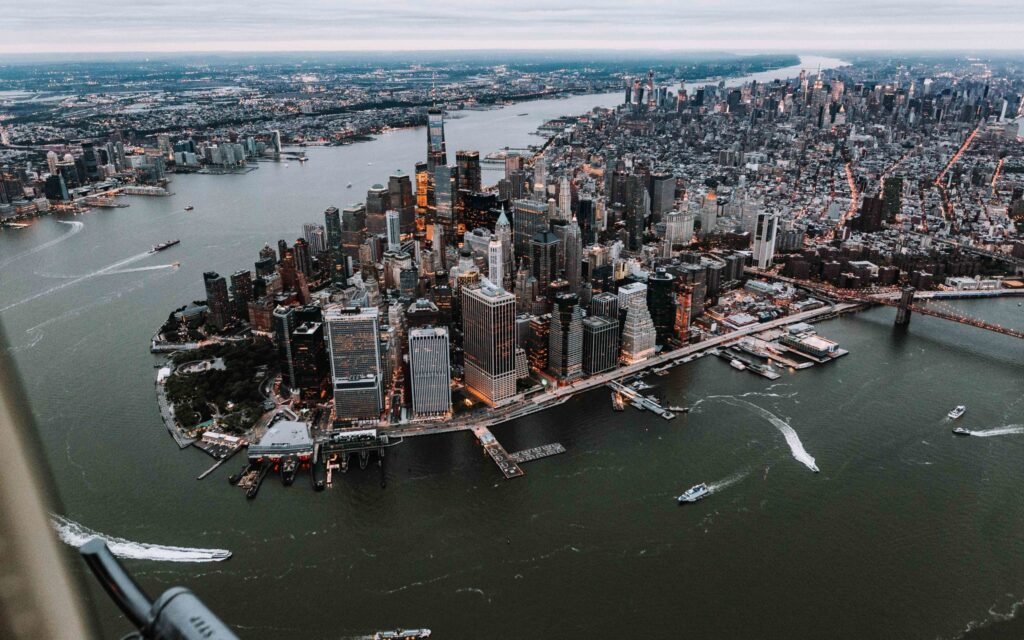 Moving from the bustling streets of New York City to the sun-soaked landscapes of Los Angeles is not just a change in location; it’s a shift in lifestyle. The transition from the East Coast to the West Coast comes with a unique set of adjustments that go beyond geography. This article explores how individuals can navigate and embrace the lifestyle changes that come with moving from the energetic pace of NYC to the laid-back charm of LA.
Embracing the Car Culture
One of the most significant adjustments is transitioning from the comprehensive public transportation system in New York to the car-centric lifestyle of Los Angeles. In LA, having a car is almost a necessity. Embrace the freedom of the open road, but also be prepared for the traffic, and consider adopting eco-friendly alternatives like electric or hybrid vehicles to align with the city’s sustainability initiatives.
Adjusting to a More Relaxed Pace
While New York thrives on its fast-paced lifestyle, Los Angeles has a more laid-back and casual vibe. The city encourages a work-life balance that emphasizes well-being and relaxation. So, when moving from New York to Los Angeles, take this change as an opportunity to recalibrate your pace, and appreciate the moments of calmness that LA offers.
Weather Considerations
Bid farewell to harsh winters and embrace the mild and sunny climate of LA. Adjusting your wardrobe to the year-round pleasant weather becomes a delightful change. Say goodbye to heavy winter coats and hello to a wardrobe focused on lightweight clothing and sunglasses.
Outdoor Living and Recreation
Los Angeles is renowned for its outdoor lifestyle and favorable climate. Take advantage of the numerous parks, beaches, and hiking trails. Embrace outdoor fitness activities, join community sports leagues, or simply enjoy a leisurely stroll along the iconic Venice Beach Boardwalk. The active outdoor culture is a stark contrast to the indoor-centric lifestyle often experienced in NYC.
Culinary Adventures
LA is a melting pot of diverse culinary influences. Explore the myriad of food options, from street tacos to trendy vegan cafes. The city’s food scene is a departure from the iconic New York pizza joints and bagel shops. Savor the opportunity to broaden your culinary horizons.
Entertainment and Arts Scene
As the entertainment capital of the world, LA offers a vibrant arts and culture scene. Attend film festivals, explore world-class museums, and immerse yourself in the creativity that defines the city. The West Coast offers a different but equally enriching cultural experience compared to the East Coast.
Health and Wellness Focus
LA places a significant emphasis on health and wellness. From yoga studios to organic markets, the city encourages a holistic approach to well-being. Explore the multitude of wellness options, including outdoor fitness classes, meditation groups, and health-conscious eateries.
Diverse Neighborhoods
LA’s neighborhoods are distinct and diverse, each with its own character and charm. From the glamour of Beverly Hills to the bohemian spirit of Silver Lake, take the time to explore and find the neighborhood that aligns with your lifestyle preferences.
Building Community Connections
Los Angeles is often perceived as a sprawling metropolis without a strong sense of community. However, it’s possible to build meaningful connections by engaging in local events, joining clubs or meetups, and participating in community initiatives. The more you invest in local activities, the more connected you’ll feel.
Embracing Diversity
Los Angeles is a melting pot of cultures, much like New York.…
 Although a federal agency, the FBI is not a national police force, and law enforcement in the U.S. remains predominantly a responsibility of state and local governments. The FBIs core mission is to protect and defend the United States from terrorist, criminal, and foreign intelligence threats, uphold and enforce U.S. criminal laws, and provide criminal justice leadership and services to federal, state, municipal, and international agencies and partners. The FBI is also charged with ensuring compliance with the